
The Sailing Vessel Eleanor Tarr, built in 1981 was ballasted with a combination of scrap steel and concrete which when added to the plate and framing creates a ballast keel that weighs 3200 lbs. The idea being that the concrete kept the steel scrap in place while is ph level kept corrosion at bay. This was common practice and had been for 30 years previous. The truth is that the concrete takes on moisture as it break down, not to mention odor, and becomes less stable by the season. The combination achieved a weight of 250-300lbs per cubic foot, vs lead, a traditional and ideal material at 708 lbs per cubic foot. As Jill of Yacht Mollymawk point out this also raises the centre of gravity, reducing seaworthiness.
I was concerned about corrosion as we had an issue of rusting plates where trim ballast (old chain and plate) had been placed on the hull plating and nearly rusted clean through. The solution was painful but obvious, get empty the keel, remove the ballast and replace it with lead. The additional space would be ideal for water tanks, and/or diesel tanks… and so the work began.
At first a cold chisel, shop-vac, pry bar and Publican House beer were the tools of choice. I would pound away at the concrete, smashing into a corner of something and then pry that something (steel) out. This would more often then not lead to a new corner, with something new to pry. Pry here, pry there days (3 hour days) would go by with nothing moving, just chip chipping, trying new angles and vacuuming sand and gravel, then a new corner would emerge, something would move and i would victoriously hoist steel pieces into the cabin one after another. This work is all done upside down mind you, leaning into the 10″ wide keel, a few feet beneath the cabin sole. I found the most interesting artifacts you would image. Many of them were not identifiable to me, but they did include a broken up wood stove, 28 massive lifting rings, a cast kettle, a crane hook, railway track, and all sorts of off cuts from the construction of the hull, prop aperture etc.
-

- Dusty work begins removing keel ballast
-
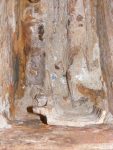
- Keel shot, a woodstove door emerges, part was through section 2

-
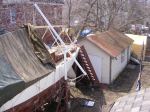
- Early Spring
-
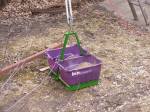
- The crane lowers bucket after bucket of small vacuum debris. A magnet is run through it to collect all steel.
-
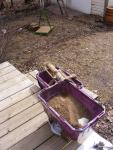
- Dirt and scrap on the scales
As each bucket load of sand, and as each piece of steel is lowered to the ground, it is weighed and it’s original position plotted. As the hull plating is cleaned of concrete i have good news, there is little significant pitting or corrosion of the plating. The picture in the above gallery looks horrifying, and it was, but after the steel is chipped clean it often has it’s original red-oxide paint. A newly acquired Ultrasonic Thickness Gauge will confirm the plate thickness before the new ballast is laid.
The new ballast will be lead bricks, laid in an epoxy slurry on sandblasted, and then epoxy primed steel. The friendly folks at West System have helped me plan marvelous sounding placement and pouring procedure. I may cast the lead bricks myself from scrap lead, or I may purchase precast bricks from Mars Metals in Hamilton and fill small voids with lead shot, again in an epoxy slury. Either way I’m sure to halve the space the ballast takes, and drop the center of gravity significantly.
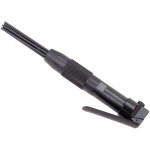
Chisel and vacuum, chisel and vacuum, and repeat. I have 3/4 of that ballast now removed (oct 2013) and i figure i have 150 plus hours in so far in removing ballast. Alas i didn’t take a picture before i carted the first haul of to the scrap yard (keeping lot’s of cool stuff), The final remaining section of ballast is hard as a rock. I started at it the same way as the other sections but this section is like chipping at a sidewalk. I’ve obtained and air hammer/chisel and an air needler to help me progress. I suppose the worse case scenarios would include leaving the one section as is, or cutting the plate from one side of the keel in that section, and then pulling it out. Neither particularly a pleasant idea so here’s hoping…

to be continued (from oct 2013)
The orange numbers represent the ballast removed to date, the white (104 + being the remaining section. The blue line shows the designed lead keel for the wooden version of the vessel. The grey blocks show the size of lead brick-epoxy mixture required. The scrap/concrete ballast filled the entire white cavity above.


 Sailing Vessel Eleanor Tarr
When you finished the job and reinstalled the lead ballast has it make much difference to the yacht ? I have to do the same job on an bollard 35 ft yacht regards brad coles